SASSA Care Dependency Grant 2026

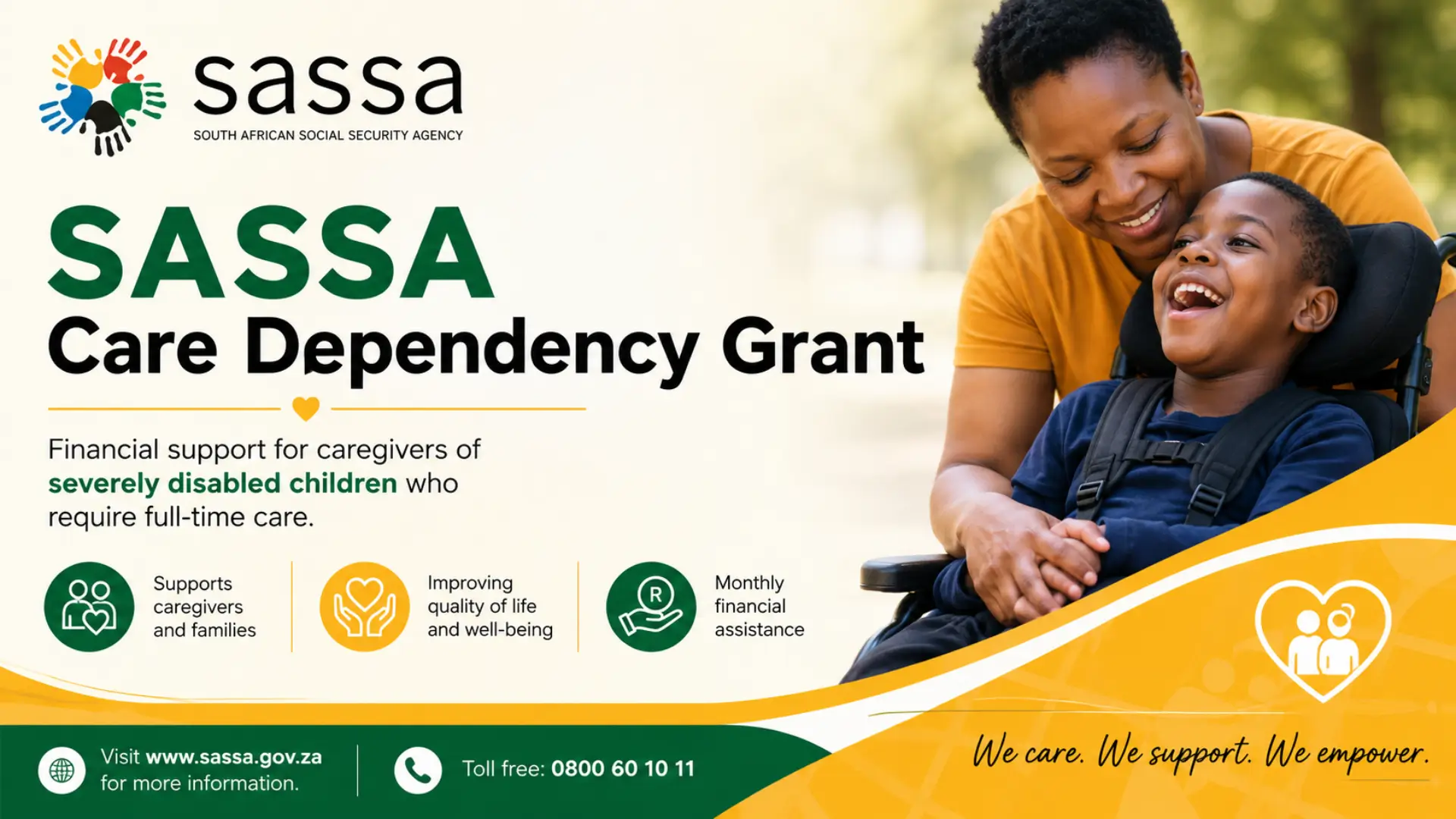
Caring for a child with a severe disability places both emotional and financial pressure on families every single day. The SASSA Care Dependency Grant 2026 is a monthly payment from the South African government designed to lighten that load. If your child has a serious medical condition that requires full-time care, you may qualify for R2 400 per month effective from April 2026.
This complete guide covers everything you need to know: who qualifies, how much the grant pays, how to apply step by step, the official Care Dependency Grant payment dates 2026, how to do a status check, and what to do if your application is rejected.
What is the SASSA Care Dependency Grant?
The SASSA Care Dependency Grant is a monthly social grant paid by the South African Social Security Agency (SASSA). It provides financial support to parents, guardians, or primary caregivers who look after a child with a severe disability that requires full-time care.
South Africa’s Department of Social Development introduced this grant to make sure that no family is left without support simply because they have a child with complex medical needs. The grant recognises that raising a child who needs round-the-clock attention comes with significant extra costs medical equipment, specialised food, therapy, and transport to healthcare facilities.
The grant is not paid directly to the child. It goes to the registered caregiver typically a parent or legal guardian to use for the child’s care and development. Think of a family in Soweto raising a seven-year-old with cerebral palsy: they face daily therapy costs, specialised school transport, and adapted equipment. This grant helps cover those ongoing expenses.
Who can apply? Any South African citizen, permanent resident, or recognised refugee who is the primary caregiver of a child under 18 with a severe disability can apply. The child must not be in the care of a state institution, and both the caregiver and child must meet SASSA’s means test and residency requirements.
How Much Is the Care Dependency Grant in 2026?
R2 400 per month (effective April 2026): This is an official increase of R80 from the previous R2 315. Confirmed by SASSA and approved by National Treasury on 20 March 2026.
Finance Minister Enoch Godongwana announced the increase during the February 2026 Budget Speech. The Care Dependency Grant rose from R2 315 to R2 400 per month, effective 1 April 2026. This represents a roughly 3.5% increase, slightly above the country’s current inflation rate.
As a current beneficiary, you do not need to take any action. SASSA applies the increase automatically your next payment after April 2026 will already reflect the new amount. If you receive your grant via a SASSA Gold Card, Postbank account, or commercial bank account, the updated R2 400 will reflect on your usual payment date.
Official source: The 2026 grant amounts are confirmed on the official SASSA website and published by the Department of Social Development.
Who Qualifies for the Care Dependency Grant?
Before you apply, make sure your child and household meet all the Care Dependency Grant requirements. SASSA checks every application carefully, so understanding the eligibility rules will save you time.
The child must:
- Be a South African citizen, permanent resident, or recognised refugee
- Be under 18 years of age
- Not be cared for by a state institution (such as a government residential facility)
- Have a severe disability confirmed by a registered medical professional
- Require full-time care due to their disability or chronic illness
The caregiver must:
- Be a South African citizen, permanent resident, or recognised refugee
- Be the primary caregiver of the child
- Pass the Care Dependency Grant means test
- Not receive any other SASSA grant for the same child
Understanding the Care Dependency Grant Means Test
The means test is a financial assessment SASSA uses to check whether your income and assets fall below a set threshold. If your gross monthly income or combined assets exceed SASSA’s limit, your application will not be approved regardless of your child’s disability.
The means test considers your total income from all sources, including salary, rental income, and investments. SASSA adjusts the thresholds each financial year. Always confirm the current limits at your nearest SASSA office or on the official website, since these figures change annually.
Important: If you are a single caregiver earning above the threshold, you will not qualify even if your child clearly needs full-time care. In that case, ask a SASSA official about other support options available to your family.
How to Apply for Care Dependency Grant
The Care Dependency Grant application process requires a visit to your nearest SASSA office. There is no fully online application available yet however, the process is straightforward if you arrive with all the right documents.
- Gather your required documents: Before going to SASSA, collect every document listed below. Missing even one can delay your application by weeks.
- Obtain a medical assessment report: Take your child to a registered doctor, paediatrician, or medical specialist. Ask them to complete a SASSA-approved medical assessment form confirming the nature and severity of your child’s disability.
- Visit your nearest SASSA office: Go early to avoid long queues. You can find your closest branch using the SASSA office locator at sassa.gov.za.
- Complete the application form: A SASSA official will help you fill in the official application form. Answer all questions honestly and accurately any mismatch with your submitted documents can cause delays.
- Submit all supporting documents: Hand over originals and certified copies of each required document. The SASSA official will capture your details in the system.
- Receive your confirmation and wait for approval: SASSA will give you an application reference number. Keep it safe you will need it for your status check. Processing times vary but can take several weeks. If your application is declined, you can submit a SASSA Appeal within 30 days to dispute the decision.
Required Documents
- Your valid South African ID document (green ID book or smart card)
- The child’s birth certificate (unabridged preferred)
- A medical assessment report from a registered healthcare professional
- Proof of income (payslips, bank statements, or affidavit if unemployed)
- Proof of residence (utility bill, lease agreement) if requested
- Your bank account details for payment (if applicable)
Care Dependency Grant Payment Dates 2026
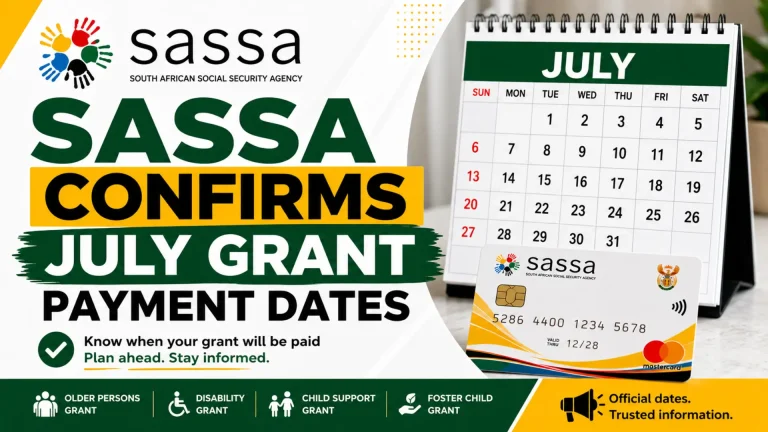
The Care Dependency Grant payment dates 2026 follow SASSA’s standard three-day staggered schedule. SASSA staggers payments to reduce queues at ATMs, Postbank branches, and retail pay points. The order every month is: older persons first, disability grants second, and children’s grants including the Care Dependency Grant on the third payment day.
Payment tip
Your money stays in your account after the payment date. You do not have to collect it on the exact day. If a payment date falls on a public holiday or weekend, SASSA moves it to the previous working day.
| Month | Older Persons | Disability Grant | Care Dependency Grant |
|---|---|---|---|
| April 2026 | 2 April | 7 April* | 8 April* |
| May 2026 | 5 May | 6 May | 7 May |
| June 2026 | 2 June | 3 June | 4 June |
| July 2026 | TBC | TBC | TBC |
| August 2026 | TBC | TBC | TBC |
| September 2026 | TBC | TBC | TBC |
| October 2026 | TBC | TBC | TBC |
| November 2026 | TBC | TBC | TBC |
| December 2026 | TBC | TBC | TBC |
| January 2027 | TBC | TBC | TBC |
| February 2027 | TBC | TBC | TBC |
| March 2027 | TBC | TBC | TBC |
* April dates shifted due to Easter public holidays. TBC = check sassa.gov.za for confirmed dates as they are released monthly.
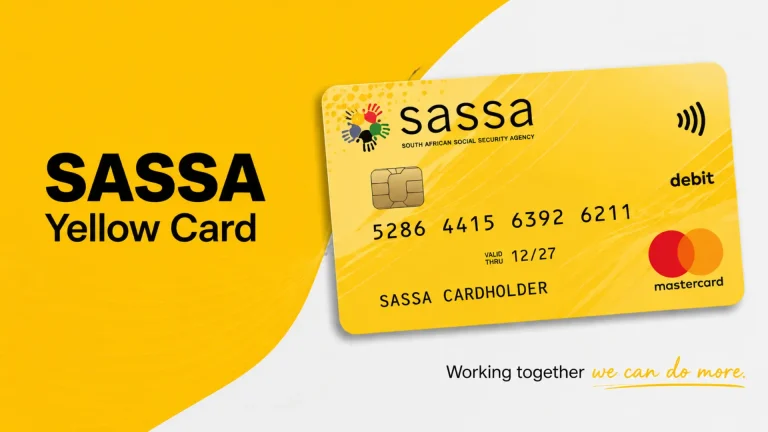
Your grant can be paid into a SASSA Gold Card, a Postbank account, or your own commercial bank account. If you use the SASSA card, you can withdraw at Postbank ATMs and most major retail stores. Always confirm your payment details are up to date to avoid delays. For a full breakdown of all grant payment windows, see the SASSA Payment Dates guide.
How to Perform a Care Dependency Grant Status Check
After you submit your application, you can track its progress using the following official channels for a Care Dependency Grant status check:
- Online: Visit sassa.gov.za and use the grant status tool with your ID number and reference number
- Phone: Call the free SASSA helpline on 0800 60 10 11 (available on working days)
- In person: Visit your nearest SASSA office with your ID and your application reference number
- USSD: Some status information is available via the SASSA USSD code check the official website for the current code
Common Application Statuses
- Pending: Your application has been received and is being processed.
- Approved: Your grant has been approved. Payment will begin on the next payment cycle.
- Declined: Your application did not meet eligibility requirements. You will receive a written reason.
- Under Review: SASSA requires additional information or documents from you.
If your application is delayed beyond 90 days, visit your local SASSA office and ask about the appeal process. You have the right to appeal a rejected application within 90 days of receiving the written rejection notice.
Common Reasons Care Dependency Grant Applications Are Rejected
Understanding why applications are refused helps you avoid the same mistakes. Here are the most common reasons SASSA declines a Care Dependency Grant application:
- Incomplete documentation: Missing the child’s birth certificate, a valid ID, or a medical report is the single biggest reason for rejection. Always bring certified copies alongside your originals.
- Medical assessment issues: The report must be completed by a registered healthcare professional and must clearly state the child’s diagnosis and need for full-time care. Vague reports are rejected.
- Income above the means test limit: If your gross income exceeds SASSA’s threshold, the application will not be approved. This is based on the caregiver’s income, not the child’s.
- Incorrect personal information: Any mismatch between your ID details and application form causes delays. Double-check every spelling and number before submitting.
- Residency or citizenship issues: The child or caregiver must have valid South African citizenship, permanent residence, or recognised refugee status. Expired documents will result in a rejection.
- Child in state care: If your child is currently living in a state residential facility, they are disqualified from this grant.
Tips to Keep Receiving Your Care Dependency Grant
Getting approved is only the first step. As a SASSA caregiver grant recipient, you have ongoing responsibilities to keep your payments uninterrupted.
- Update your personal details immediatelyif you change your address, bank account, or phone number. Visit your nearest SASSA office to update records.
- Notify SASSA of income changes.If your income increases significantly, you are required by law to report it. Failing to do so can result in repayment demands and disqualification.
- Attend grant reviews when requested.SASSA conducts periodic eligibility reviews. Missing a scheduled review can cause your payments to be suspended.
- Keep your child’s medical records updated.SASSA may request an updated medical assessment to confirm the child still requires full-time care.
- Respond to SASSA communications promptly.Letters, SMS messages, or calls from SASSA about your grant require a timely response do not ignore them.
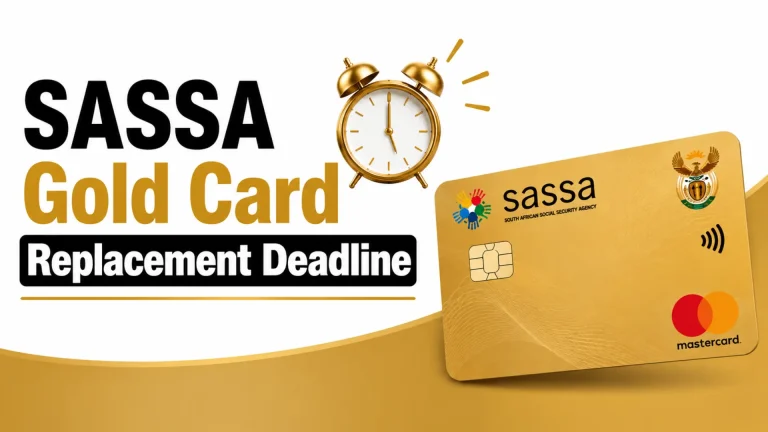
- Renew your SASSA card before it expires.If you are still using the old gold SASSA card, visit a Postbank branch to swap to the new black Mastercard-linked card before the December 2026 deadline.
Benefits of the SASSA Disability Grant for Children
The SASSA disability grant for children also known as the Care Dependency Grant delivers real, measurable benefits beyond the monthly cash payment.
- Financial assistance for caregivers: R2 400 per month helps cover specialised food, medical supplies, transport to healthcare appointments, and assistive devices.
- Support for medical expenses: Regular care for children with conditions like autism, cerebral palsy, or rare genetic disorders involves ongoing therapy. The grant helps make this more affordable.
- Improved quality of life: Families who receive the grant consistently report that it reduces financial stress, allowing them to focus more energy on the child’s development and wellbeing.
- Access to essential care services: The grant enables caregivers to pay for occupational therapy, speech therapy, physiotherapy, and specialised schooling.
- Long-term family support: By relieving financial pressure, the grant helps keep families together and prevents caregivers from having to give up work entirely or surrender the child to state care.
Conclusion
The SASSA Care Dependency Grant 2026 offers R2 400 per month to caregivers of children with severe disabilitiesa meaningful increase from the previous year. To qualify, your child must be under 18, require full-time care, and not be in state custody. You and your child must also pass the means test and meet residency requirements.
The application process is straightforward: gather your documents, get a medical assessment, visit your nearest SASSA office, and submit everything together. Once approved, track the Care Dependency Grant payment dates 2026 to know exactly when your monthly payment arrives.
Related Post
- SASSA Child Support Grant 2026
- SASSA Old Age Grant 2026
- SASSA Disability Grant 2026
- SASSA Foster Child Grant 2026
- SASSA Grant in Aid 2026
- SASSA War Veterans Grant 2026