SRD Beneficiaries Small Business Opportunities in Sekhukhune

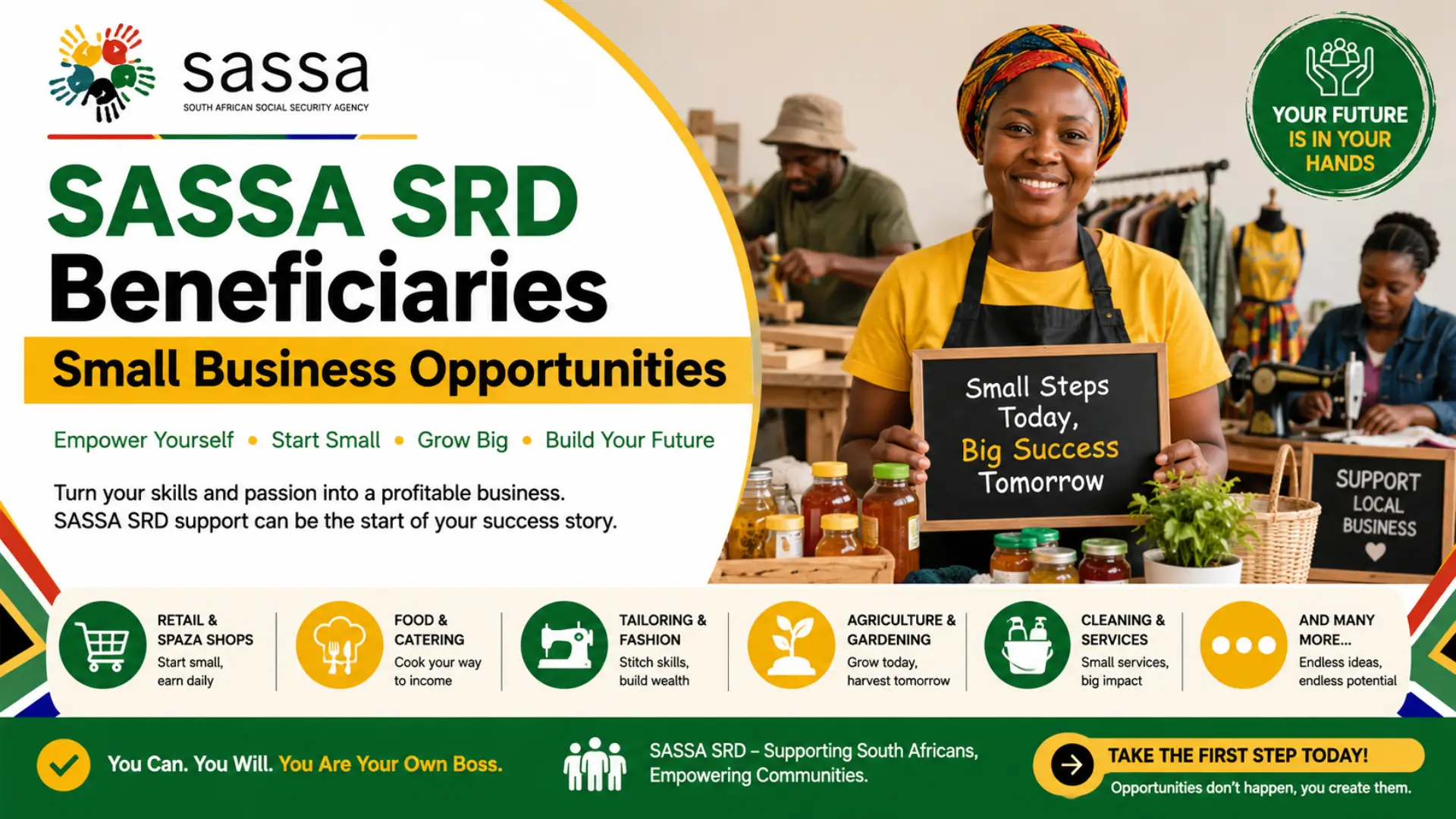
If you are looking for SRD beneficiaries’ small business opportunities in Sekhukhune, you have come to the right place. Many people receiving the SASSA Social Relief of Distress (SRD) grant in the Sekhukhune District of Limpopo are asking the same question: how can I use this time, and these community events, to start earning a little extra money?
This guide gives you real, practical, and honest answers. Whether you are an unemployed youth, a grant recipient, or an informal trader, these ideas can help you take a small but meaningful step towards building your own income.
SRD Beneficiaries Small Business Opportunities in Sekhukhune: Where to Start
The Sekhukhune District is home to thousands of SASSA SRD grant beneficiaries. Many of these people are hardworking individuals who want to do more than just wait for their monthly R370. Community outreach events, local markets, and village gatherings in areas like Mamone Village, Jane Furse, and the wider Sekhukhune District offer real chances for people to test small business ideas without needing a lot of money.
The good news is that you do not need a lot of capital to get started. Some of the most successful informal traders in South Africa started with as little as R50 to R100. The key is to start smart, not big.
Understanding the Local Market in Sekhukhune
Before you spend a single rand on stock, take time to understand what people in your community actually need and buy. In rural communities around Sekhukhune, people regularly spend money on food, airtime, cold drinks, and small convenience items. These everyday needs are your opportunity.
Community events like the Ministerial Community Outreach Programme in Mamone Village bring hundreds, sometimes thousands, of residents together in one place. When people gather, they get hungry and thirsty. They need small items. That is your market.
Quick Fact: Community outreach events in rural South Africa regularly attract 500 to 2,000+ residents. Even if only 10% of attendees buy something from you at R10 per sale, that is R500 to R2,000 in a single day without any permanent shop or big investment.
Understanding the market also means knowing your competition. If ten other people are already selling cold drinks, think about what is missing. Maybe no one is selling hot food early in the morning. Maybe people need phone charging. Look for the gap and fill it.
Best Products to Sell at Sekhukhune Community Events
Choosing the right products is one of the most important decisions you will make as a new informal trader. The wrong stock can leave you with losses. The right stock can earn you a decent profit even in a single day.
Here are the product categories that work best for community events and informal trading in the Sekhukhune area:
Water & Cold Drinks
Bottled water, juice, and cold drinks are always in demand, especially at outdoor events during warm months. Buy in bulk and sell individually.
Hot Food Items
Boiled maize (ummbila), vetkoek, fat cakes, and pap are cheap to make and sell fast. People love familiar, filling food at low prices.
Fresh Fruit
Bananas, oranges, and apples are affordable in bulk and popular at outdoor events. Easy to carry and requires no cooking equipment.
Airtime & Data
Selling airtime vouchers is one of the easiest businesses with zero spoilage risk. Buy vouchers and resell at small profit margins.
Sweets & Snacks
Chewing gum, sweets, chips, and small snack packets are low-cost and sell quickly at events, especially to children and young people.
Phone Charging
If you have access to a power bank or generator, offering phone charging at R5–R10 per charge can be very profitable with zero stock cost.
Tips for Selling at Community Events in Sekhukhune
Selling at community events is different from running a permanent shop. You need to be quick, organised, and smart about what you bring. Here are the most important tips for first-time traders at outreach events and community gatherings in Sekhukhune:
- Buy small quantities first. Do not overstock on your first event. Buy just enough to test demand, then scale up once you know what sells.
- Focus on items that do not spoil easily. Airtime, sweets, chips, and bottled drinks are safer than fresh food that goes bad quickly.
- Arrive early and choose a good spot. Position yourself near the entrance or main gathering area where foot traffic is highest.
- Keep your prices competitive but profitable. Know what others are charging and price fairly, but make sure you cover your costs and earn a margin.
- Bring correct change. Many customers will pay with R50 or R100 notes. Running out of change loses sales.
- Work with a partner. Having a family member or friend help you allows one person to serve customers while the other manages stock.
- Sell what is left after the event. Choose products you can sell in your neighbourhood after the event ends, so nothing goes to waste.
Where to Buy Affordable Stock Near Sekhukhune
One of the biggest questions new informal traders ask is: Where do I buy stock at the lowest price so that I can still make a profit when I resell? Fortunately, the Sekhukhune and Jane Furse areas have access to well-known South African retailers that offer bulk deals and competitive pricing.
| Retailer | Best For | Nearest Area | Rating |
|---|---|---|---|
| Boxer Superstore | Bulk food, cold drinks, snacks | Jane Furse / Burgersfort | Best for Bulk |
| Shoprite | Fresh produce, household items | Burgersfort / Lebowakgomo | Wide Range |
| Pick n Pay | Drinks, packaged food, airtime | Burgersfort | Reliable |
| Cambridge Food | Wholesale prices, bulk deals | Limpopo-wide | Most Affordable |
Before heading to any store, always make a shopping list and calculate your budget first. Only spend what you can afford to lose if things do not go as planned. A good rule is to use no more than 30% of your available funds on stock for a one-day event trial.
Networking and Youth Support Programmes in Sekhukhune
Community outreach events in Sekhukhune are not only for selling goods. They are also valuable opportunities for unemployed youth and SRD grant recipients to connect with people who can open new doors.
At events like the Mamone Village Ministerial Outreach Programme, young people often have the chance to speak directly with government officials, community development workers, and representatives from organisations that support small businesses in rural South Africa.
Here is what you should do when you attend these events:
- Ask about youth entrepreneurship programmes. Many government departments – including the Department of Small Business Development (DSBD) – run programmes specifically for rural youth.
- Find out about SEDA support. The Small Enterprise Development Agency (SEDA) provides free business training and support to small business owners in South Africa.
- Speak to other informal traders. Experienced sellers can share valuable advice about what works in your specific community.
- Take note of government contacts. Collect pamphlets, write down phone numbers, and follow up after the event.
Government Support Available: The South African government offers several programmes for unemployed youth and small business owners in rural areas. These include the National Youth Development Agency (NYDA) grants, SEDA free business mentorship, the Small Enterprise Finance Agency (SEFA) loans, and the Department of Trade, Industry and Competition (DTIC) support funds. Attending community outreach events is one of the best ways to access information about these programmes.
Responsible Use of Your SRD Grant for Business Activities
This is a very important point. The SASSA SRD grant of R370 per month is designed to help you meet your most basic living needs: food, transport, and essential household expenses. It is not meant to be a business investment fund.
That said, many people do use a small portion of their grant to test trading ideas, and there is nothing wrong with this as long as it is done carefully and responsibly.
Important Warning: Never spend your entire SRD grant on business stock — especially for a one-day event where there is no guaranteed income. Always ensure you have enough money left for food, transport, and any emergency needs before spending on stock. You can also check your SASSA payment dates to plan your spending around when your grant arrives.
A safe approach that many community development organisations recommend is the 30% Rule: use no more than 30% of your available funds for business stock. This way, even if sales are disappointing, you still have money for your basic needs.
Another smart approach is to team up with one or two trusted family members or friends. By pooling a small amount of money together say R50 each you can buy more stock without any one person risking too much. Whatever profit you make, split it fairly.
FAQ: SRD Beneficiaries Small Business Opportunities in Sekhukhune
Conclusion
The journey from being an SRD grant beneficiary to running your own small business does not happen overnight. But every successful entrepreneur in South Africa started somewhere and for many people in rural Limpopo and the Sekhukhune District, that starting point was exactly where you are right now.
Community outreach events in Mamone Village and across the Sekhukhune District offer more than just access to government services. They offer something just as valuable: a chance to meet people, test ideas, earn a little extra money, and build the confidence to keep going.
Start small. Be responsible. Learn from every sale and every mistake. Use community gatherings not just as trading opportunities, but as networking and learning events. Ask questions, take notes, and connect with organisations that can support your growth.