SASSA Strengthens Social Assistance Systems

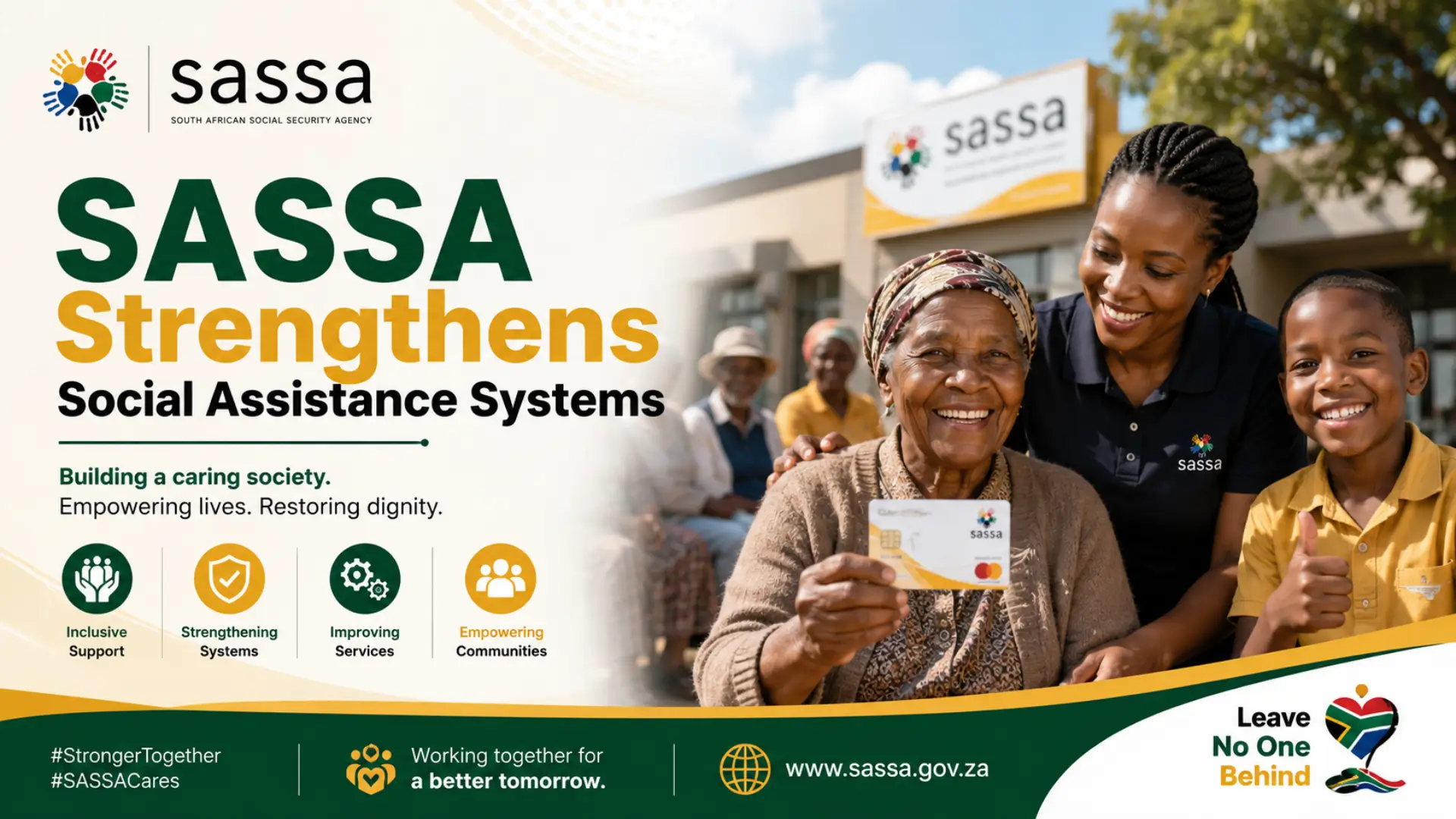
SASSA Strengthens Social Assistance Systems. South Africa’s social assistance system is getting stronger. The Department of Social Development and the South African Social Security Agency (SASSA) have introduced new systems and improvements that are making grant services faster, safer, and more reliable for millions of South Africans.
Social grants remain a critical lifeline for many families across the country. They help people pay for food, transport, school costs, and everyday living expenses. These latest changes show that the government is working to protect and improve this system.
Social Assistance Receives Most of the Budget
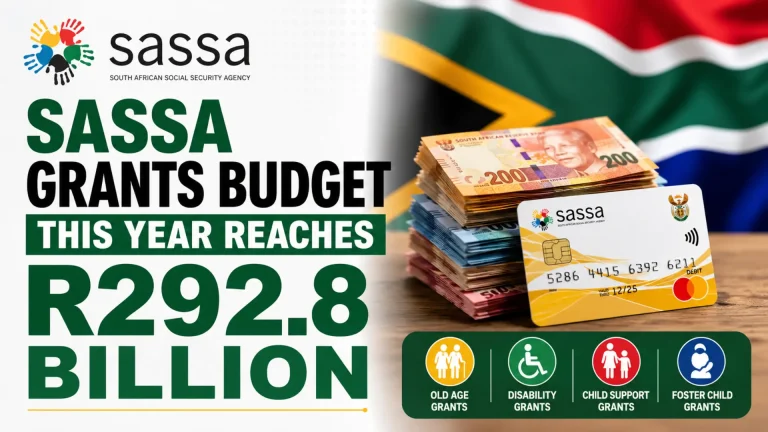
Social assistance is the biggest priority in the government’s social development budget. According to the latest government figures, social assistance now accounts for 96.7% of the entire portfolio’s allocated budget. Learn more about SASSA grants budget this year which has reached R292.8 billion.
This money supports a large number of grant beneficiaries across South Africa, including:
12.9 million people receiving the Child Support Grant, 4.4 million older persons receiving the Old Age Grant, and 1.1 million people receiving Disability Grants.
The government says these grants help reduce poverty, gender inequality, and income inequality across the country. Social grants also help support local economies, especially in low-income communities where grant money is spent on daily essentials like food, transport, and household goods.
SASSA Expands Biometric Verification System
One of the most important upgrades SASSA has made is the rollout of its biometric verification system. This system uses personal biometric data such as fingerprints or facial recognition to confirm the identity of a grant beneficiary.
The biometric verification system was successfully rolled out across all 432 SASSA offices by September 2025. By the end of March 2026, around 1 million new applications had already been enrolled on the system.
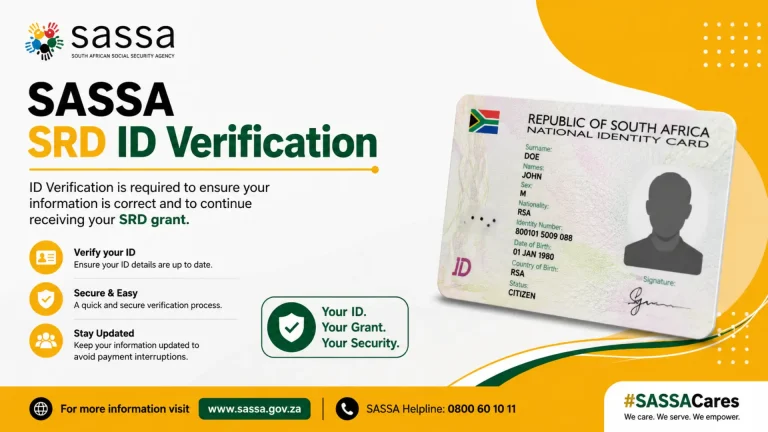
The goal of this system is to reduce fraud and ensure that grant payments reach the right people. It is worth noting that SASSA’s biometric verification has already led to the suspension of 68,000 grants where beneficiaries could not be verified. You can also verify your identity through the SASSA ID verification link online.
Grant Review Process Saves Over R1 Billion
SASSA and the Department of Social Development have also intensified the grant review process. This process checks whether current beneficiaries still meet the requirements to receive a grant.
The intensified review process saved the national fiscus more than R1 billion. These savings were redirected toward other national priorities and service delivery needs.
Regular grant reviews are important because they help make sure that government funds go to people who truly qualify. This protects public money while also keeping the grant system fair and sustainable. If your grant has been affected, you can find out how to submit a SASSA appeal.
Queue Management System Expanded
Long queues at SASSA offices have been a long-standing problem for many beneficiaries. To address this, SASSA has been expanding its Queue Management System to more offices across the country.
The system has grown from 113 offices to 378 SASSA offices nationwide. The remaining offices are expected to receive the upgrade during the first quarter of the 2026/27 financial year.
Read more about ongoing efforts to reduce SASSA office queues and what is being done to improve the experience at local offices.
Why These Changes Matter
Millions of South Africans depend on SASSA grant payments every month. When systems are improved, the benefits are felt directly by beneficiaries and their families.
Biometric verification makes the system more secure and helps prevent fraud. The queue management rollout means shorter waiting times and less stress at SASSA offices. The grant review process ensures that public funds are used efficiently and fairly. And the high budget allocation shows that social assistance remains a top government priority.
For beneficiaries, these changes could mean faster processing of applications and payments, better security for personal information and grant access, improved service and shorter queues at local offices, and a more efficient and reliable grant administration system overall.
What Should Beneficiaries Do?
As SASSA continues to expand and improve its systems, beneficiaries should keep their personal information up to date. Make sure your banking details are updated with SASSA so your payments are not delayed. It is also important to follow official SASSA announcements about grant processes, verification requirements, and any changes that may affect payments.
If you need help, you can reach SASSA through the SASSA toll-free number or visit the SASSA contact details page for full contact information. Always use official SASSA channels for information, including the SASSA website, official social media pages, or your nearest SASSA office
Frequently Asked Questions
What is the SASSA biometric verification system?
It is a system that uses fingerprints or facial recognition to confirm the identity of grant beneficiaries. It helps prevent fraud and protect grant payments. Find out more about SASSA biometric verification and grant suspensions.
How many SASSA offices have the Queue Management System?
As of the latest update, 378 out of 432 SASSA offices have the system. The remaining offices will be upgraded in the first quarter of the 2026/27 financial year. See more on efforts to reduce SASSA office queues.
How much did the grant review process save?
The intensified grant review process saved more than R1 billion for the national fiscus. If your grant was affected, learn how to file a SASSA appeal.
How many people receive SASSA grants?
The biggest grant programmes currently serve 12.9 million Child Support Grant beneficiaries, 4.4 million Old Age Grant recipients, and 1.1 million Disability Grant recipients.
When will SASSA pay grants?
You can check the SASSA July 2026 payment dates to plan ahead for your next payment.