SASSA SRD Grant Recipients Struggling to Get Paid Due to Biometric ID Verification

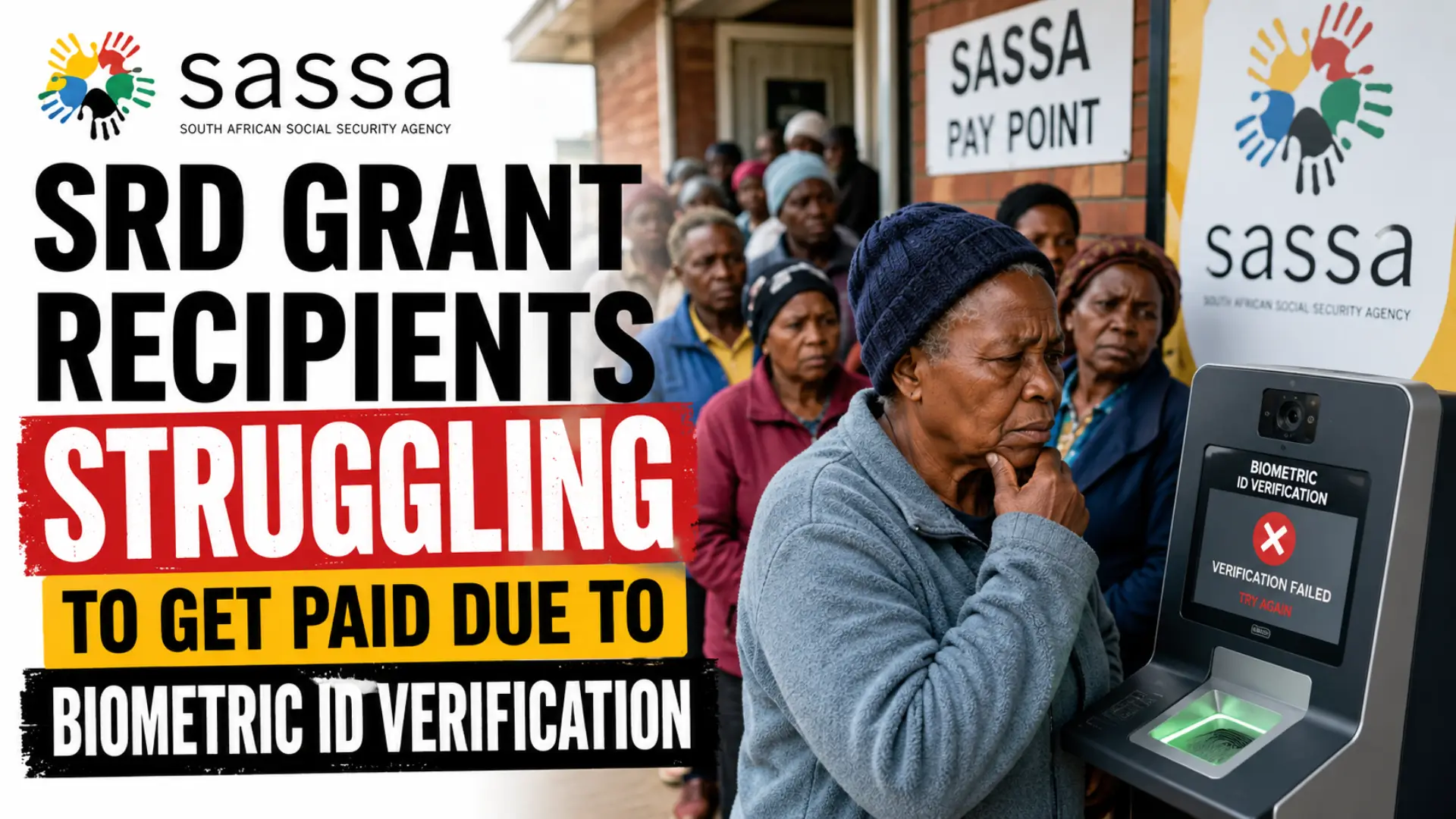
SASSA SRD Grant Recipients Struggling to Get Paid Due to Biometric ID Verification. Millions of South Africans rely on the SASSA SRD grant as a vital source of financial support each month. However, many beneficiaries are currently facing payment delays and suspensions due to a newly introduced biometric identity verification process. While SASSA says the measure is necessary to combat fraud and protect grant funds, critics argue that the system creates additional barriers for vulnerable individuals who lack access to smartphones and internet services. Understanding how the verification process works and what steps to take is essential for recipients who want to continue receiving their R370 monthly grant without interruption.
What Is Happening With the SASSA SRD Grant?
Thousands of Social Relief of Distress (SRD) grant recipients across South Africa are struggling to receive their payments. The reason is a new biometric identity verification process introduced by the South African Social Security Agency (SASSA).
SASSA has warned that any beneficiary who does not complete this verification will have their grant suspended. This means no payment until the process is done.
The SRD grant pays R370 per month to qualifying South Africans who have no other source of income. Between 7.5 million and 8.5 million people currently receive this grant, and all of them are subject to monthly eligibility checks.
Why Did SASSA Introduce Biometric Verification?
SASSA says the verification process was introduced to fight fraud. The agency has noticed a significant rise in fraudulent activity linked to the R370 SRD grant. Fraudsters have been stealing identities and claiming grants that do not belong to them.
Paseka Letsatsi, SASSA spokesperson, explained that the biometric check works like a “Know Your Client” process the same type of verification that banks use when opening accounts.
The process works like this:
- SASSA identifies a beneficiary who needs to be verified.
- The beneficiary receives an SMS with a link to an online platform.
- The beneficiary must take a facial photograph and submit it through the link.
- Once the photo is verified, the grant payment can continue.
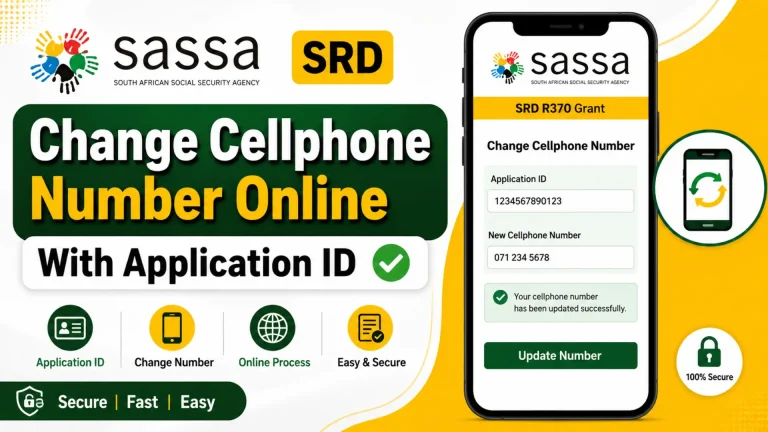
At first, this process only applied to beneficiaries who were updating their mobile phone numbers. It has now been extended to anyone suspected of being a victim of identity theft, including people whose identities may have been misused at banks or financial institutions.
Read More Information: https://sassanewscheck.co.za/sassa-biometric-verification-leads-to-suspension-of-68000-grants/
Who Is Being Affected?
Any SRD grant recipient flagged by SASSA for identity verification is affected. This includes:
- People who recently changed their phone numbers linked to their grant.
- People whose identity numbers were flagged as potentially stolen or misused.
- People who may have had their personal information compromised at a bank or financial institution.
One beneficiary, Lerverch Pieters, shared his frustration, saying he depends entirely on the SRD grant to support his family, which includes a child receiving a separate grant. The new requirement has delayed his June payment with no clear end in sight.
Not Everyone Has a Smartphone
Critics and advocacy groups are raising serious concerns about how this process is being carried out. Elizabeth Raiters of #PayTheGrants, an organisation that advocates for social grant recipients, says the organisation has received complaints from all over the country.
The biggest issue is that the verification process requires a smartphone and internet access. Many SRD grant recipients are poor and do not own smartphones or have access to the internet. For these beneficiaries, completing an online biometric verification is simply not possible.
Raiters described this requirement as something that “disproportionately affects vulnerable groups” in other words, the very people the grant is designed to help are the ones being blocked from accessing it.
What Happens If You Do Not Complete the Verification?
According to SASSA, your grant will remain suspended until you complete the identity verification. There is no payment until the process is done.
SASSA has not confirmed exactly how many beneficiaries are currently suspended, but with millions of people relying on this grant, advocacy groups fear that a large number of people are going without income this month.
Read Also: https://sassanewscheck.co.za/sassa-id-verification-link-online/
Communication Gaps Adding to the Problem
Another concern raised by #PayTheGrants is that SASSA has not communicated clearly with beneficiaries about this verification process. Many people receiving the SMS with the verification link may not understand what it is, why they received it, or what happens if they ignore it.
SASSA spokesperson Paseka Letsatsi did not directly respond to questions about these communication shortcomings.
Advocacy groups are calling on SASSA to:
- Communicate clearly and early with all affected beneficiaries.
- Provide alternative verification methods for people without smartphones.
- Speed up the process so that suspended grants are reinstated quickly.
- Ensure no vulnerable person is left without support due to a technical barrier.
What Should You Do If You Received a Verification SMS?
If you are an SRD grant recipient and you received an SMS from SASSA with a verification link, do the following:
- Do not ignore the SMS. Ignoring it may lead to your grant being suspended.
- Click the link and follow the instructions to submit your facial photograph.
- If you do not have a smartphone or internet access, contact SASSA directly at their toll-free number: 0800 60 10 11.
- You can also visit your nearest SASSA office for assistance.
- If you need help, organisations like #PayTheGrants may be able to guide you through the process.
The Bigger Picture
The SRD grant was introduced during the COVID-19 pandemic as emergency relief for South Africans with no income. It has since become a lifeline for millions of people. Any disruption to these payments has serious consequences for recipients and their families, many of whom rely solely on this R370 monthly payment for food and basic needs.
While the goal of fighting fraud is important and necessary, critics argue that the solution must not punish the honest beneficiaries it is trying to protect. A verification system that excludes people without smartphones is not a fair or effective solution for a grant that serves the country’s most vulnerable citizens.
Stakeholders, including civil society organisations, are urging SASSA to find a balanced approach that fights fraud while keeping payments flowing to those who genuinely need them.
Key Facts at a Glance
- Grant amount: R370 per month
- Number of recipients: Between 7.5 million and 8.5 million
- Reason for verification: To combat identity fraud linked to the SRD grant
- How it works: Beneficiaries receive an SMS with a link to submit a facial photo
- Consequence of non-compliance: Grant suspended until verification is complete
- SASSA helpline: 0800 60 10 11
Frequently Asked Questions
1. Why is SASSA asking SRD beneficiaries to complete biometric verification?
SASSA introduced biometric verification to reduce identity fraud and ensure that SRD grants are paid only to legitimate beneficiaries.
2. What happens if I do not complete the biometric verification?
Your SRD grant may be suspended, and payments will not resume until the verification process is successfully completed.
3. How do I complete the SASSA biometric verification process?
You must use the verification link sent via SMS, take a facial photograph, and submit it through the online platform provided by SASSA.
4. What should I do if I do not have a smartphone or internet access?
Contact SASSA on 0800 60 10 11 or visit your nearest SASSA office for assistance with alternative verification options.
5. Who is most likely to be selected for biometric verification?
Beneficiaries who changed their registered phone numbers, had identity-related concerns flagged, or may be victims of identity theft are more likely to be selected.
Conclsusion
SASSA biometric verification aims to prevent fraud, but it has also created challenges for many SRD beneficiaries. Completing the verification promptly is crucial to avoid payment suspensions. Improved communication and accessible alternatives are needed to ensure vulnerable South Africans receive support.